For the bigger picture and full context, make sure you read our main guide on Nat Yellowjackets Natalie: Why She Died and Juliette Left.
markdown
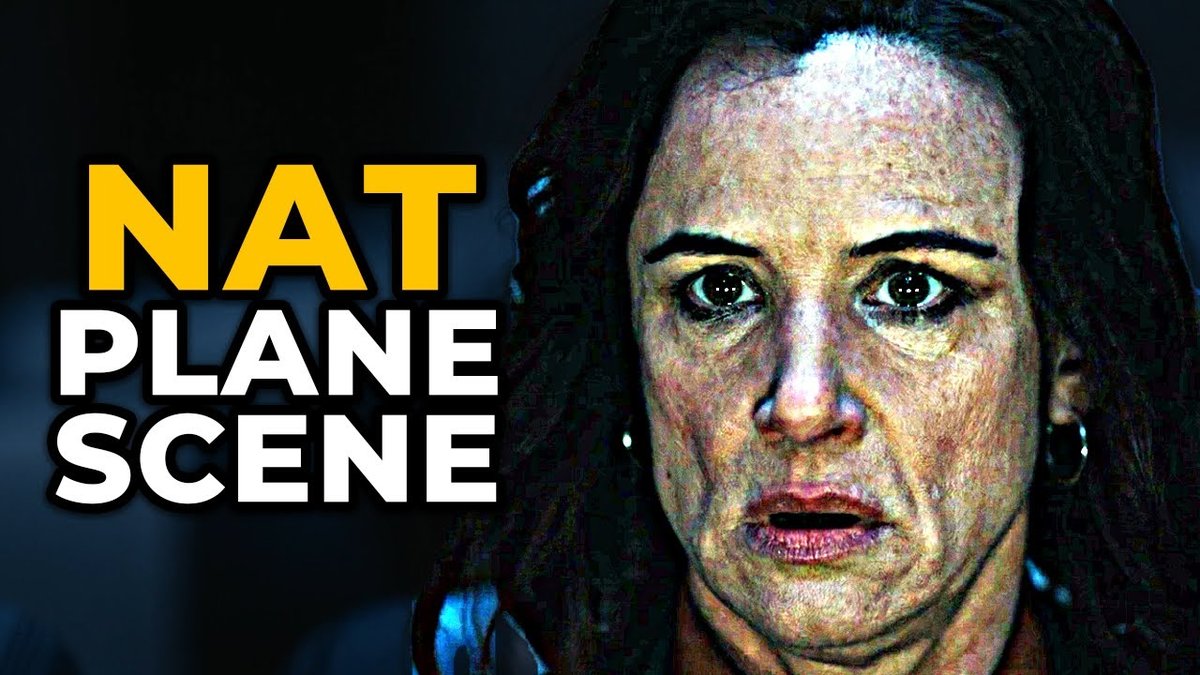
When fans watched Natalie Scatorccio die in Yellowjackets Season 2, many were left reeling. But how does Natalie die in Yellowjackets, exactly? The answer centers on a tragic accident involving Misty, a syringe, and a desperate attempt to "protect" Natalie.
At a Glance:
- Natalie dies from an accidental injection of phenobarbital administered by Misty, intended for Lisa.
- Misty's impulsive actions, driven by her desire to be needed, lead to Natalie's tragic end.
- Natalie's death highlights the ongoing consequences of the Yellowjackets' wilderness experiences.
- The show foreshadowed Misty's role as an "angel of death."
- Natalie's final moments involve visions of Javi and Lottie, hinting at potential afterlife connections.
- Juliette Lewis' decision to leave the show stemmed from her desire to pursue film projects.
The Fatal Intervention: Misty's Botched Rescue
The sequence of events leading to Natalie's death unfolded rapidly. At Lottie's wellness retreat, tensions reached a boiling point. Lisa, a friend of Natalie's, becomes caught in the crossfire of the Yellowjackets' escalating conflict. Misty, ever eager to "help" in her own twisted way, attempts to incapacitate Lisa with a syringe containing phenobarbital. However, Natalie steps in front of Lisa, taking the injection herself and succumbing to the overdose.
This wasn't a calculated murder. It was a mistake. A horrible, irreversible blunder born from Misty’s need to be Natalie’s savior, her knight in shining armor. Christina Ricci, who plays Misty, confirmed that it was an immature, impulsive decision on Misty's part, underscoring the character's deeply flawed nature.
Decoding Misty's "Angel of Death" Foreshadowing
Throughout Yellowjackets, subtle hints pointed toward Misty's involvement in Natalie's demise. The recurring imagery of Misty as an "angel of death" served as a chilling premonition. This wasn't a literal angelic role, of course, but rather a symbolic one, representing Misty's uncanny ability to be present at or even indirectly cause moments of tragedy for those around her.
Think of it this way: Misty's desire to be needed often manifests in ways that create chaos and harm. She craves connection, but her methods are deeply misguided, making her a dangerous presence in the lives of the other Yellowjackets. This underlying dynamic made her accidental killing of Natalie tragically fitting.
Guilt, Sacrifice, and a Final Vision: Natalie's Inner Turmoil
Natalie carried enormous guilt over Javi's death in the wilderness. This burden weighed heavily on her, influencing her choices and shaping her interactions with the other survivors. Her willingness to sacrifice herself for Lisa can be seen, in part, as a reflection of this lingering guilt. Subconsciously, perhaps, she felt she deserved to pay a price.
In her final moments, Natalie experiences visions of Javi and Lottie. This is crucial. These visions suggest several possibilities:
- Lingering trauma: The wilderness continues to haunt Natalie, even in death.
- Supernatural elements: The presence of both Javi and Lottie, figures tied to the wilderness’ mysteries, hints at a possible connection to the supernatural.
- Afterlife: The visions could be interpreted as a glimpse into an afterlife, suggesting that death is not the end for the Yellowjackets.
Showrunner's Intent: Consequences and the Wilderness Within
The showrunners have stated that Natalie's death served a specific narrative purpose: to demonstrate the long-lasting consequences of the Yellowjackets' actions in the wilderness. The series isn't just about what happened during those 19 months; it's about how those experiences continue to shape and distort the survivors' lives decades later.
Natalie's death underscores this theme, showing that the darkness of the wilderness has followed them home, capable of inflicting pain and destruction in the present day. As the showrunners have emphasized, the issues that occurred in the wilderness did not end when they were rescued. They fester and resurface, manifesting in tragic ways. Delve into Natalie's fate and the showrunners' rationale further.
Why Juliette Lewis Left: A Focus on Film
While Natalie's death was a narrative decision, it also coincided with Juliette Lewis' desire to pursue other projects. Lewis has expressed a preference for film work, citing the finite timelines and single-director structure as appealing factors. She filmed The Thicket after Yellowjackets season 2, indicating her commitment to diversifying her career.
It's important to note that while Lewis has left the main cast, the possibility of her returning in visions or flashbacks remains open. The show's narrative structure allows for the exploration of past events and the reappearance of deceased characters, ensuring that Natalie's story may not be entirely over.
Practical Playbook: Understanding Risk and Responsibility
So, what can we learn from Natalie's tragic fate? While we can't prevent fictional deaths, we can apply the lessons from Yellowjackets to understanding risk, responsibility, and the consequences of our actions.
- Recognize the "Savior Complex": Be wary of those who constantly seek to "rescue" others without considering the potential harm they might cause. Misty's actions are a cautionary tale about the dangers of unchecked impulses and a desire for control.
- Assess Risk Objectively: In high-pressure situations, take a moment to assess the risks involved before acting. Misty's impulsive decision to inject Lisa with phenobarbital highlights the importance of careful planning and risk assessment.
- Acknowledge the Past: The Yellowjackets' experiences in the wilderness continue to shape their present-day lives. Acknowledging the past and dealing with its consequences is crucial for healing and preventing further harm.
Decision Tree: Navigating Crisis Situations
Here's a simple decision tree to help navigate crisis situations where quick action seems necessary, inspired by the chaos surrounding Natalie's death:
- Immediate Threat Present? (Yes/No)
- Yes: Proceed to Step 2.
- No: Take time to assess the situation calmly.
- Can the Threat Be Neutralized Non-Violently? (Yes/No)
- Yes: Attempt de-escalation techniques, call for help.
- No: Proceed to Step 3.
- Is the Use of Force Necessary to Protect Life? (Yes/No)
- Yes: Use the minimum force necessary. Be aware of the potential consequences.
- No: Find an alternative solution.
- After the Event: Seek professional help. Trauma can impact decision-making in the future.
Quick Answers: Common Questions About Natalie's Death
Here are some quick answers to common questions and misconceptions surrounding Natalie's death in Yellowjackets:
Q: Was Natalie's death intentional?
A: No. Misty intended to inject Lisa with phenobarbital, but Natalie intervened, taking the injection herself.
Q: Could Natalie have been saved?
A: Possibly. Administering Narcan or another antidote quickly might have reversed the effects of the overdose, but the situation unfolded too rapidly for anyone to react effectively.
Q: Will Juliette Lewis return to Yellowjackets?
A: While unlikely as a main cast member, flashbacks or visions featuring Natalie remain a possibility.
Q: What was the significance of Natalie's visions?
A: The visions of Javi and Lottie suggest the enduring impact of the wilderness and potentially hint at supernatural elements or an afterlife connection.
Q: Did Natalie's death have anything to do with the Wilderness?
A: Yes, indirectly. Natalie's guilt over Javi's death, stemming from the wilderness, contributed to her willingness to sacrifice herself. The overall toxic dynamic brought on by the wilderness resulted in her death, even if it was accidental.
Actionable Close: Remember, It's Not Just a Show
While Yellowjackets is a fictional drama, it offers valuable insights into human behavior, trauma, and the lasting consequences of our choices. By understanding the events leading to Natalie's death – how does Natalie die in Yellowjackets – we can learn to recognize similar patterns in our own lives and strive to make more informed and responsible decisions. Remember the "angel of death," recognize savior complexes, and always, always, assess the risks.
