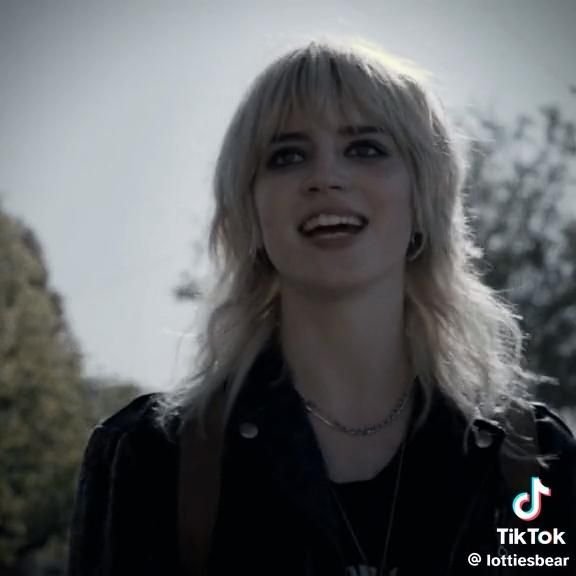
For the bigger picture and full context, make sure you read our main guide on Nat Yellowjackets Natalie: Why She Died and Juliette Left.
Natalie Scatorccio, portrayed with haunting brilliance in Yellowjackets, isn't just a survivor; she’s a study in the long-term effects of trauma. Her arc, marked by resilience and self-destruction, provides a window into the complex psychology of those who endure the unthinkable.
At a glance:
- Understand how Natalie's childhood trauma shaped her wilderness decisions.
- Explore her complex relationships, particularly with Travis, and how shared trauma binds and breaks.
- Learn about the link between her survival instincts and her later self-destructive tendencies.
- Identify key differences in how teen and adult Natalie cope with their experiences.
- Grasp the tragic irony of her death and its implications for the other Yellowjackets.
Before the Crash: The Making of a Survivor
To understand Natalie's actions in the wilderness and beyond, it's crucial to examine her life before the plane crash. Her home life was a battleground. Experiencing abuse, neglect, and the crushing weight of responsibility far beyond her years forged a specific kind of strength.
One defining flashback powerfully illustrates this. In it, Natalie Scatorccio is shown listening to music with a friend when her father brutally attacks her and her mother, accusing them both of being sluts before stepping on his loaded shotgun, blowing his face off. This horrific incident, and her mother’s subsequent blame, ingrained in her a deep-seated sense of guilt and the belief that she was inherently destructive.
This early trauma manifested in several ways:
- Distrust of authority: Natalie's experiences with her father made her resistant to any form of control.
- Emotional guardedness: She learned to mask vulnerability with a tough exterior.
- Self-reliance: She became fiercely independent, as relying on others had consistently led to disappointment.
This is why she quickly stepped up in the wilderness – not out of a desire for leadership, but because she was already accustomed to taking charge in chaotic situations. Delve into Natalie's fate.
Wilderness Survival: Instincts Hardened by Trauma
The plane crash plunged Natalie and her teammates into a brutal fight for survival, an arena where her pre-existing trauma played a significant role. While some girls crumbled under the pressure, Natalie's instincts, honed by her difficult childhood, kicked in.
- Resourcefulness: She was comfortable with hunting, foraging, and making difficult decisions.
- Detachment: Her ability to distance herself emotionally from gruesome tasks (like butchering animals) allowed her to act decisively.
- Pragmatism: She prioritized survival above all else, even if it meant making morally gray choices.
The infamous card draw, where Natalie drew the Queen of Hearts only for Javi to die in her place, exemplifies this. Despite the others absolving her of guilt, Natalie internalizes it. This experience reinforces her belief that she is a harbinger of death and destruction, a belief rooted in her accidental killing of her father.
The Travis Connection: A Bond Forged in Fire
Natalie's relationship with Travis becomes a central anchor in the wilderness. Both share a similar background of trauma and pain. They recognize each other's scars, finding solace and a twisted sense of family in their shared experiences.
- Mutual Dependence: They rely on each other for survival, both physically and emotionally.
- Shared coping mechanisms: After returning to society, they turn to drugs and alcohol to numb the pain.
- Codependency: Their relationship becomes a cycle of enabling and self-destruction.
Travis’s eventual suicide deeply affects Natalie. She believes her presence, or absence, leads to his demise, amplifying her feelings of guilt and responsibility for the suffering of others. His last words to Lottie, that Nat "would only make it worse," solidify her belief that she's a force of destruction.
Adult Natalie: Haunted by the Wilderness
Returning to civilization didn't bring Natalie peace; it amplified her inner demons. The shared trauma of the wilderness continued to haunt her, shaping her choices and relationships.
- Addiction as self-medication: Drugs and alcohol became her primary coping mechanisms, numbing the pain and guilt.
- Reckless behavior: She engaged in risky activities, seemingly testing her own limits of survival.
- Guilt and self-blame: She carried the weight of the wilderness with her, constantly reliving the traumatic events and blaming herself for the deaths of others.
While the other Yellowjackets attempted to assimilate back into society, Natalie struggled to find her place. She found herself drawn back to the others, not out of a desire for connection, but because she felt inextricably linked to their shared trauma.
The Final Act: A Tragic Irony
Natalie's death, a result of Misty Quigley's accidental overdose during a rescue attempt, is a devastating climax to her tragic arc. It underscores the profound and lasting impact of trauma, illustrating how unresolved pain can lead to fatal consequences.
- Unintentional Suicide: Though not literally by her own hand, Natalie's path was self-destructive, seeking oblivion.
- Sacrifice: She inadvertently sacrifices herself to save Lisa, showcasing the remnants of her inherent goodness that was often masked by pain.
- Unresolved Trauma: Her inability to process the past ultimately leads to her demise, highlighting the destructive power of unresolved trauma.
Practical Playbook: Understanding and Coping with Complex Trauma
Natalie's story, while fictional, offers valuable insight into the complexities of trauma and its lasting impact. While professional help is always recommended, here are some practical steps for understanding and coping with complex trauma:
- Acknowledge the Past: Recognize that past experiences have shaped your present self. Don't dismiss or minimize your trauma.
- Seek Professional Help: Therapy, particularly trauma-informed therapy, can provide a safe and supportive space to process difficult emotions and develop coping mechanisms.
- Build a Support System: Connect with trusted friends, family members, or support groups. Sharing your experiences with others who understand can be incredibly validating.
- Practice Self-Care: Engage in activities that promote well-being, such as exercise, mindfulness, or creative expression.
- Set Boundaries: Learn to say no to situations or people that trigger your trauma or compromise your well-being.
- Challenge Negative Thoughts: Identify and challenge negative thought patterns that reinforce feelings of guilt, shame, or self-blame.
Quick Answers: Common Questions about Natalie Scatorccio
- Why did Natalie become addicted to drugs? Addiction was her way of self-medicating, numbing the pain and guilt associated with her trauma.
- Was Natalie a good person? Despite her flaws and self-destructive tendencies, Natalie possessed a strong moral compass and a deep capacity for empathy.
- Could Natalie have been saved? With the right support and treatment, it's possible that Natalie could have healed and found a more fulfilling life.
- What is Natalie's legacy in Yellowjackets? Natalie serves as a cautionary tale about the devastating effects of unresolved trauma, highlighting the importance of seeking help and support.
Key Takeaways
| Aspect | Description | Practical Implication |
|---|---|---|
| Childhood Trauma | Shaped her survival instincts and later self-destructive tendencies. | Acknowledge the impact of early experiences on present behavior. |
| Wilderness Impact | Reinforced her belief that she was a harbinger of death and destruction. | Challenge negative thought patterns and self-blame. |
| Travis Relationship | A bond forged in shared trauma, leading to codependency and tragic outcomes. | Build healthy relationships based on mutual support and self-awareness. |
| Adult Struggles | Addiction, recklessness, and inability to assimilate back into society. | Seek professional help to address unresolved trauma and develop healthy coping mechanisms. |
| Tragic Death | Underscores the devastating consequences of unresolved trauma. | Prioritize self-care and build a strong support system to navigate difficult emotions. |
Actionable Close
Natalie Scatorccio’s story is a stark reminder that survival isn't always a victory. Her journey is a complex tapestry of resilience, pain, and ultimately, tragedy. By understanding the roots of her trauma and the choices she made, we can gain a deeper appreciation for the human cost of survival and the importance of seeking help in the face of adversity. Natalie's story ends tragically, but her echoes are loud enough to remind us to choose a different path.
