For the bigger picture and full context, make sure you read our main guide on Nat Yellowjackets Natalie: Why She Died and Juliette Left.
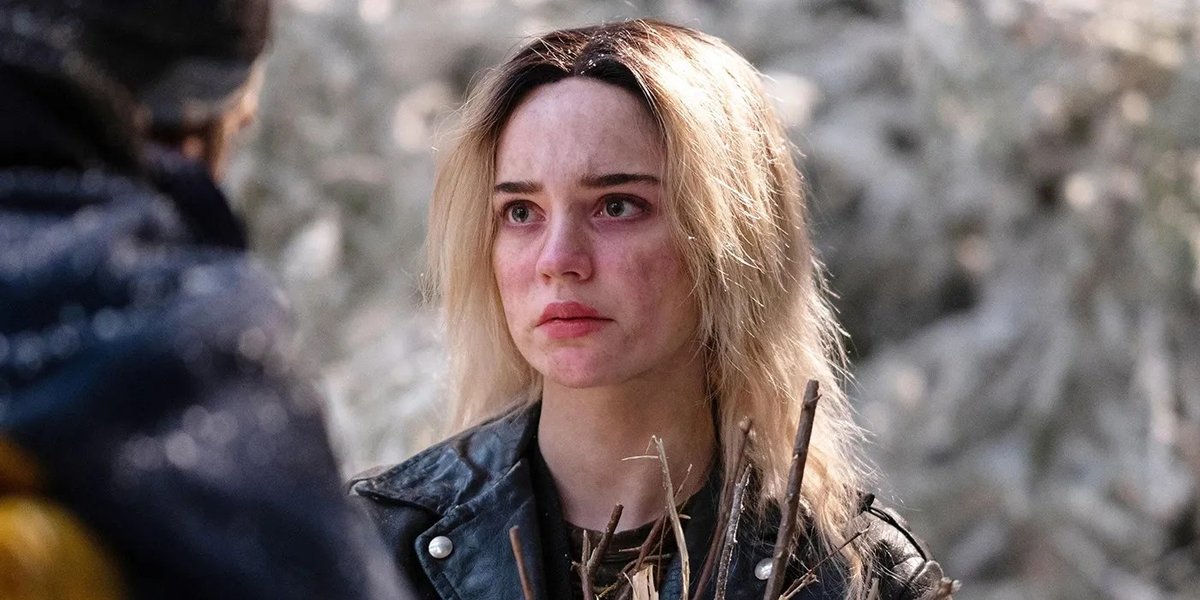
Sophie Thatcher’s portrayal of young Natalie on Yellowjackets isn't just rebellious; it's a masterclass in conveying vulnerability masked by a tough exterior. Her nuanced performance captures the complexities of a character grappling with trauma, addiction, and a desperate need for connection, laying the groundwork for Juliette Lewis's portrayal of adult Nat. The series hinges on these dual performances, and Thatcher's commitment to the role is undeniable.
At a glance:
- Understanding Sophie Thatcher's approach to portraying young Natalie Scatorccio.
- Analyzing key scenes that showcase Thatcher's acting range and character development.
- Exploring the impact of young Natalie's experiences on her adult counterpart.
- Identifying the subtle cues Thatcher uses to convey Natalie's inner turmoil.
- Recognizing the collaborative nature of acting, where Thatcher's performance complements Juliette Lewis’s.
Building a Character from the Ground Up: Thatcher's Approach
Sophie Thatcher faced the challenge of creating a believable younger version of a character already established by Juliette Lewis. Crucially, Thatcher didn't just mimic Lewis; she crafted a backstory that informed her choices. This involved:
- Deep Dive into the Script: Thatcher meticulously analyzed the scripts, paying close attention to Natalie's interactions, dialogue, and reactions to the horrific events unfolding around her.
- Collaboration with Juliette Lewis: While maintaining her own interpretation, Sophie Thatcher coordinated with Juliette Lewis to ensure consistency in Nat's core personality traits - her sharp wit, her cynicism and her underlying vulnerability. This collaborative groundwork assured seamless continuity between the younger and older versions of Natalie.
- Exploring Natalie's Trauma: Thatcher understood that Natalie's tough exterior was a defense mechanism built to protect herself from past trauma and the horrors of the wilderness. She used body language and facial expressions to hint at the pain beneath the surface, even in moments of bravado.
This approach allowed Thatcher to create a character with depth and authenticity, making her struggles and choices all the more compelling.
Key Scenes: Showcasing Thatcher's Range
Several scenes highlight Sophie Thatcher's skill in portraying young Natalie.
- The Deer Incident (Season 1): This scene perfectly encapsulates Natalie's rebellious spirit and her vulnerability. Her anger at Travis's judgmental question quickly melts away when he reveals his own inexperience. It shows both her defensive nature and her yearning for genuine connection.
- Doomcoming (Season 1): During the drug-fueled Doomcoming, Natalie's attempts to pull Travis away from the escalating madness, and her defiance of Lottie's "weird bullshit," demonstrate her growing awareness of the group's descent into savagery. It’s a turning point where she actively resists the influence of the wilderness.
- The Javi Tragedy (Season 2): Faced with the impossible choice of saving herself or Javi, Natalie's agonizing decision and subsequent guilt are palpable. Thatcher's portrayal of raw grief and self-blame is heart-wrenching. Every look and gesture conveyed the torment she felt for her inaction.
- Hunting for Javi in Winter (Season 2): Thatcher portrays the relentless, fruitless searching with a palpable sense of desperation. Each failed hunt chips away at Natalie's hope and highlights her pragmatic, yet quietly grieving, side.
These scenes showcase Thatcher's ability to portray a range of emotions, from defiance and anger to grief and vulnerability, making Natalie a multifaceted and relatable character.
The Ripple Effect: How Young Natalie Shapes the Adult
The experiences of young Natalie in the wilderness profoundly impact her adult life. Thatcher's performance establishes crucial elements that explain Juliette Lewis's portrayal:
- Distrust of Authority: Natalie's experiences in the wilderness, where adults failed to protect them, likely fuel her distrust of authority figures in adulthood.
- Addiction as Self-Medication: The trauma of the wilderness and her role in Javi's death likely contribute to her struggles with substance abuse as a way to cope with the pain.
- Need for Connection: Despite her tough exterior, Natalie craves genuine connection. Travis represents a flicker of hope, a connection that is ultimately shattered by their shared trauma.
These elements, established by Thatcher's performance, provide a foundation for understanding adult Natalie's actions and motivations. Natalie's fate explained here.
Decoding the Subtleties: Non-Verbal Cues
Thatcher uses subtle non-verbal cues to convey Natalie's inner turmoil:
- Body Language: She often carries herself with a guarded posture, shoulders hunched, and arms crossed, signaling defensiveness.
- Facial Expressions: Quick flashes of vulnerability flicker across her face, betraying the pain she tries to hide.
- Eye Contact: Her direct eye contact is often challenging, a way to assert control, but can also be averted when she's feeling vulnerable or guilty.
These subtle cues add layers to Natalie's character, making her more complex and believable.
For example, consider the scene where the group consumes Javi. Note the slight hesitation in Thatcher's eyes, a quick tightening of her jaw as she brings the food to her mouth. It speaks volumes.
Collaboration as Key: Thatcher and Lewis
The success of Natalie as a character lies in the seamless transition between the two actresses. They create a consistent portrayal by:
- Sharing Backstory: Discussing Natalie's past, her relationships, and the events that shaped her personality.
- Identifying Core Traits: Agreement on Natalie's core personality traits, such as her intelligence, resilience, and vulnerability.
- Mirroring Mannerisms: Subtly mirroring each other's mannerisms and vocal inflections to create a sense of continuity.
This collaborative approach ensures that Natalie remains a believable and compelling character throughout the series.
Practical Playbook: Channeling Natalie's Resilience
While we hopefully won't face the same dire circumstances as Natalie, we can learn from her resilience. Consider these practical applications:
- Acknowledge Your Pain: Don't try to suppress your emotions. Allow yourself to feel grief, anger, and fear.
- Find Your Tribe: Seek out people who understand and support you, even if they don't share your exact experiences.
- Fight for What You Believe In: Stand up for yourself and others, even when it's difficult.
- Seek Help When Needed: Don't be afraid to ask for help from professionals or trusted friends and family.
By learning from Natalie's experiences, we can cultivate our own resilience and navigate life's challenges with greater strength and courage.
Quick Answers: Common Questions
- Q: Was Natalie always rebellious, or did the wilderness change her?
- A: Natalie always had a rebellious streak, likely stemming from her difficult home life. The wilderness amplified this trait, forcing her to rely on her own instincts and challenge authority.
- Q: Is Natalie a "good" person?
- A: Natalie is a complex character with both positive and negative qualities. She's capable of great kindness and loyalty, but also prone to self-destructive behavior. Ultimately, whether she's "good" is up for interpretation.
- Q: How much of Natalie's personality is a facade?
- A: Much of Natalie's tough exterior is a defense mechanism. Underneath, she's deeply vulnerable and insecure.
- Q: How does young Natalie influence adult Nat's relationships?
- A: Young Natalie's experiences with betrayal and loss inform her adult relationships. She struggles to trust others and often sabotages her own happiness.
Actionable Close: Embracing Complexity
Sophie Thatcher's superb portrayal of young Natalie gives us a lot to think about in Yellowjackets. Beyond the shocking plot twists and supernatural undertones, the series serves to examine trauma, complex people, and the choices they sometimes have to make. Reflect on your favorite scenes featuring young Natalie. Consider which aspects of her character resonate with you and how those aspects may influence your own perceptions. Remember, even in the darkest of circumstances, there is often still hope and resilience.
